
Ask a Question for StartingBloc Interview with Acumen Fund CIO Brian Trelstad

Whatever the cause, wherever the concentration, StartingBloc Fellows seek to do “meaningful work” on a global scale: fight poverty, eradicate diseases, provide rural education, reshape international development, scale impact philanthropy. 

The Acumen Fund was one of the most oft-mentioned organizations I heard during my 5-days in Boston. And rightly so: in its 11 years, Acumen has invested millions of dollars in social enterprises, agents of change, and ground-breaking ideas. The Fund has impacted 86 million lives around the world, and popularized the term “patient capital” to describe its model of uplifting investment in under-served communities.

The Acumen Fund would be an ideal partner for many StartingBloc Fellows. As such, I’ve asked Brian Trelstad, Chief Investment Officer of the Acumen Fund, to join me for a video conversation for the StartingBloc community (and social entrepreneurs everywhere) on June 22nd. He’s kindly accepted.

Instead of play the part of Edward R. Murrow, I thought I’d crowdsource questions from the StartingBloc community and other social entrepreneurs. Please submit your questions for Brian in the comments section below, andI will select some of the most intriguing and “liked” questions for our interview. 

Thanks - for who you are, for what you do. Feel free to spread the word.

[Flash 10 is required to watch video]

rightplacetime:

Kate is a friend of Renee’s. Kate is also the founder of the organization where Renee volunteers. In her words, through their relationship, Renee has gained “a clearer direction for the type of work” she wants to do.

She has learned to combine her passion with her work.

And all through a chance encounter on an email listserv.

(Reblogged from rightplacetime)

On Faith - How direct is God with us?

I am incredibly blessed, and daily feel the blessings of the Lord. 

But I feel these blessings most through people. I see each person as a brother or sister. This is the root of my friendliness, a byproduct of my faith mixed with a small town upbringing and small, loving family.

When I look into the eyes of a friend or stranger, I imagine the recognition that would make our faces glow had we grown up together, played on the swings and run through the fields together as children. When I am at my best, I wear that recognition on my countenance, as I see our common humanity. And this brings me great joy.

We are created in His image. I see the love of Christ through the acts, deeds, personalities, and faces of others. I contemplate on His teachings in the Bible. I kneel in prayer to ask for His blessings and guidance and intervention. But I wonder how directly His answers manifest in our daily lives. 

I believe in miracles. I believe in God’s ability to intervene on our behalf. But I also recognize that the world can be a cold, dark, harsh place, illuminated by the love we have within us and between us, a capacity for greatness gifted from our Father. The more we shine, the more He shines on this earth. 

So shine on, stewards of this earth. 

This is closest to the integration of Contacts and Mail that I’ve been waiting for in Gmail. Live as of 8pm PST. Yes!!

The mime is a terrible thing to bass.

#itweet #therefore #ilamb

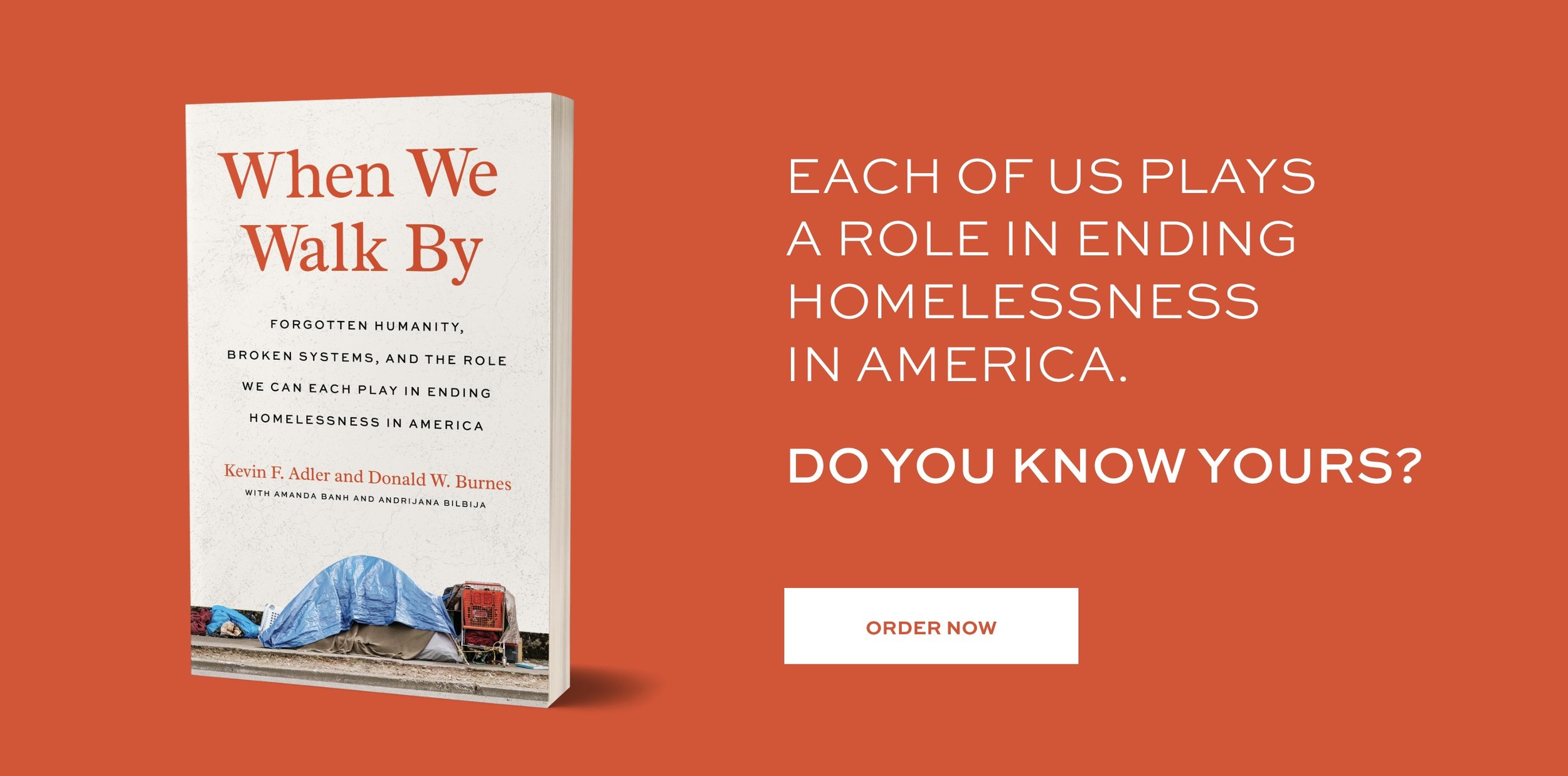
When I see a homeless person sleeping in front of a church, I ask myself a question silently. And the answer is always the same.

Yes, Christ would have opened the door.

Instagram, Not Instant Success

Like other tech entrepreneurs in San Francisco / Silicon Valley, when I heard the news this week of Instagram’s ginormous deal with Facebook and contemplated its meteoric rise from $0** to $1 billion in less than two years, I was in awe, excited, and curious to figure out: how did this happen?

As a newcomer to the tech scene and a relative outsider in the Valley (not sure how many of my fellow entrepreneurs also spent the last year serving as ambassadors of goodwill in developing countries), I’m still figuring out how the norms of this place work.

Earlier this morning, I got a pretty good lesson from a front page article in the NY Times:

Summary:

Networks matter. A lot.

Extended summary:

Kevin Systrom, the founder of Instagram, has a network - and an ability to tap into it - that made serendipity commonplace…

He went to Stanford, where he met Adam D’Angelo (key contact) .

He worked at Twitter, where he met Jack Dorsey (key contact).

He worked at Google, where a colleague introduced him to Marc Andreessen (investor).

He was a Mayfield Fellow, where he met a “stud engineer” named Mike Krieger (co-founder).

He went to an elite private academy in Massachusetts.

He went to startup events where influencers mingled, like the one sponsored by Hunch where he met the founder of Baseline Ventures, Steve Anderson (investor).

He grew up in an area of Massachusetts where a chance meeting with Dennis Crowley, one of Foursquare’s founders, was possible at a local pub. 

He is smart, talented, young, and a he.

Silicon Valley, if indeed a meritocracy, relies on key influencers and vaunted names to evaluate merit. 
.
The more ties you have to these institutions that convey merit (Stanford, Google, Jack Dorsey), the more likely you are to be perceived as merited, or at least given the shot to show what you are really worth.
.
Instagram feels like an instant success. But the social network of its founder Kevin Systrom positioned Instagram to have as good a shot as any to be a blockbuster hit, long before it was first released.

**Instagram, or its precursor, Burbn, was worth $0 from the moment the idea first occurred to Kevin Systrom until exactly 1 millisecond before he shared his idea for the first time with his network. Success was far from assured, but from that moment onward, Burbn (and its founder) were worth much more than $0 in the eyes of people who mattered, people like Steve Anderson and Marc Andreessen, who were members of Kevin’s network and invested $500,000 within weeks of hearing about the idea. 

The person who thinks he can and the person who thinks he cannot are both right.
Henry Ford, via Theodore Agranat
Stress stinks, but state of crazy is better than being in a crazy state (North Korea). Self-induced trauma is always the best kind.
Me.